


无胰岛素的 NeuroCult SM1
了解更多


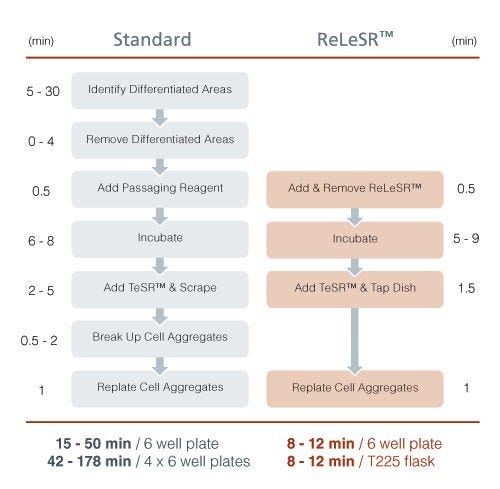
Figure 1. Passaging Protocol Comparison
ReLeSR™ passaging protocol eliminates difficult and time-consuming steps, thereby enabling easy culture scale-up.
Surface area of 4 x 6 well plates (230 cm²) is comparable to that of a T225 flask (225 cm²).
TeSR™ = TeSR™ family media (mTeSR™1, TeSR™2, or TeSR™-E8™).
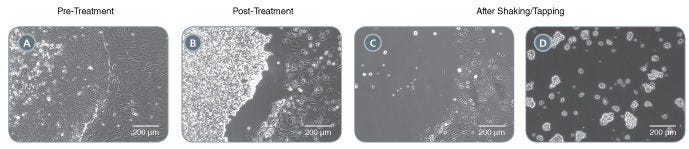
Figure 2. Selectively Detach Undifferentiated Cells
ReLeSR™ selectively detaches undifferentiated cells from pluripotent stem cell cultures without manual selection. Optimally-sized aggregates are generated following shaking/tapping of the cultureware.
(A) An hPSC culture ready for passaging. Note the presence of differentiated cells at the edge of the undifferentiated hPSC colony. (B) Following incubation with ReLeSR™, the undifferentiated hPSC colony starts to lift off of the cultureware. The differentiated cells remain attached to the cultureware. (C) Following shaking/tapping of the cultureware, the undifferentiated cells completely lift off of the cultureware. (D) The undifferentiated hPSC colony is broken up into optimally-sized aggregates for replating.
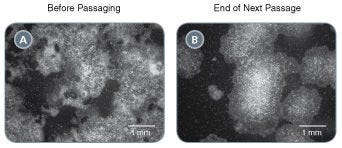
Figure 3. Rescue Highly Differentiated Cultures
Poor quality human pluripotent stem cell cultures containing large proportions of differentiated cells can be rescued by passaging with ReLeSR™. (A) A poor quality hPSC culture containing ~50% undifferentiated cells. (B) Following passaging with ReLeSR™, the differentiated cells have largely been eliminated from the culture, with >90% undifferentiated cells present at the end of the next passage.
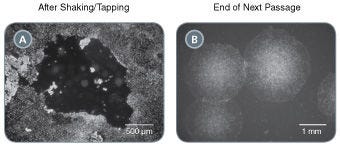
Figure 4. Select Putative iPS Cell Clones
Easily isolate newly generated human iPS cell colonies with ReLeSR™ by selectively detaching undifferentiated cells and leaving non reprogrammed cells behind.
(A) A TeSR™-E7™ reprogramming culture which has been treated with ReLeSR™ to detach the putative iPS cell colony, leaving the non-reprogrammed and differentiated cells behind. (B) Cultures contain a high proportion of undifferentiated cells by the end of the first passage.
Related Products


